Bidding on a Parker home and worried the appraisal might come in low? You are not alone. In competitive Douglas County neighborhoods, it is common to see a gap between the agreed purchase price and the lender’s appraised value. In this guide, you will learn what an appraisal gap is, why it happens in Parker, and practical ways to handle it without derailing your purchase. Let’s dive in.
What is an appraisal gap
An appraisal gap is the difference when your contract price is higher than the appraised value the lender uses to approve your loan. Lenders base the loan amount on the appraised value, not what you offered the seller. If the appraisal comes in low, your loan amount may drop and you must decide how to cover the shortfall. For a quick overview of how appraisals work, review the Consumer Financial Protection Bureau’s plain-language explanation of a home appraisal and its role in lending.
Why it happens in Parker
Parker and nearby Douglas County suburbs have been popular with buyers who value suburban amenities, school access, and reasonable commutes to Denver. In competitive moments with limited inventory, buyers may stretch above recent comparable sales to win. Appraisals rely on closed sales and market data, so fast-moving prices, unique lots or upgrades, and new construction premiums can outpace the comparable sales an appraiser can use. The result can be an appraisal shortfall even when demand is strong.
How appraisal affects your loan
A licensed appraiser, engaged by your lender, estimates market value using recent comparable closed sales and adjustments. The appraisal is for the lender’s risk assessment and influences your loan-to-value ratio and maximum loan amount. For more detail on the appraisal process and standards, explore the Appraisal Institute’s overview of valuation basics.
It is also important to separate tax assessments from lending appraisals. Douglas County’s assessed values are for property tax purposes and do not determine your loan amount. You can confirm assessment details through the Douglas County Assessor’s office.
Loan programs have different appraisal guidelines. FHA and VA appraisals can have additional property condition requirements compared with many conventional loans. You can read about program specifics via HUD’s FHA resources and the VA Home Loans appraisal guidance.
Quick Parker scenarios
Scenario A: Small gap, you cover it
- Contract price: $650,000
- Appraisal: $640,000
If you planned an 80 percent loan, your lender typically funds 80 percent of $640,000, or $512,000. You would bring the planned down payment plus the $10,000 shortfall in cash at closing. The sale proceeds if you are willing and able to cover the gap.
Scenario B: Larger gap after waiving contingency
- Contract price: $720,000
- Appraisal: $675,000
Your lender funds based on $675,000, and you must cover the $45,000 difference with cash or renegotiate. If you waived the appraisal contingency, you are usually obligated to proceed or risk contractual consequences, so this is higher risk. Buyers often pursue renegotiation or reconsideration of value first.
Scenario C: Escalation clause wins, appraisal lags
- Offer escalates to: $710,000
- Appraisal: $690,000
You won with an escalation clause, but the appraisal came in $20,000 lower. You can cover the gap, bring more cash, or negotiate a price change or seller credit. Escalation can help you win but may increase appraisal exposure.
Your options to bridge a gap
Appraisal gap coverage
You can include an appraisal gap clause that commits you to pay a set amount in cash if the appraisal is low. This signals strength to the seller and keeps financing intact. The tradeoff is you must have liquid funds and be comfortable with the added risk. In Colorado, work with your agent to ensure language is clear and capped using approved contract forms. You can reference the Colorado Association of REALTORS forms page for general information about standard contracts.
Waive or modify the appraisal contingency
You can waive the appraisal contingency or limit it to a certain amount. This can make your offer very competitive in Parker. The risk is significant because lenders still lend off the appraised value, and you may need to cover the shortfall or forfeit earnest money. Consider legal advice before waiving protections.
Use an escalation clause carefully
An escalation clause can help you beat other offers by automatically increasing your price up to a cap. It does not change the appraisal requirement, so be sure your cap aligns with your cash comfort if the appraisal comes in low. Build in clear ceilings so you know your exposure.
Increase down payment or bring cash to close
You can keep your loan within program limits by bringing more cash to closing. This is straightforward and can lower your loan-to-value ratio, but it requires liquidity. Ask your lender how different down payment levels affect monthly payments and underwriting.
Request a reconsideration of value
If you believe key comparable sales were missed, you and your agent can submit a reconsideration request with stronger closed comps. Appraisers are independent and follow standards, so changes are not guaranteed, and timing can be tight. Focus on truly comparable, recent, closed sales when presenting data.
Renegotiate with the seller
You can ask the seller to reduce the price, provide a credit, or split the shortfall. In balanced or slower moments this can work well. In hotter segments of Parker, a seller may resist if they have strong backup interest.
Appraisal alternatives
Some lenders may offer limited appraisal alternatives for specific programs. For most purchases, expect a licensed appraisal. Ask your lender early so you understand what is possible for your loan type.
Before you write the offer: checklist
- Confirm with your lender the maximum loan amount based on appraised value and your minimum down payment.
- Prepare proof of funds for a potential shortfall if you plan to include gap coverage.
- Decide how much appraisal risk you are comfortable taking. Consider attorney input before waiving or limiting contingencies.
- Work with your agent on the best comparable sales and be ready to support a reconsideration of value if needed.
- If using an escalation clause or gap rider, set hard caps and write the dollar amounts clearly.
- Review deadlines for the appraisal, reconsideration window, and all contract dates.
Colorado resources worth bookmarking
- For contract standards and consumer guidance, see the Colorado Association of REALTORS and the Colorado Division of Real Estate.
- For property tax assessments, visit the Douglas County Assessor.
- For program-specific appraisal rules, review HUD’s FHA information and the VA appraisal process.
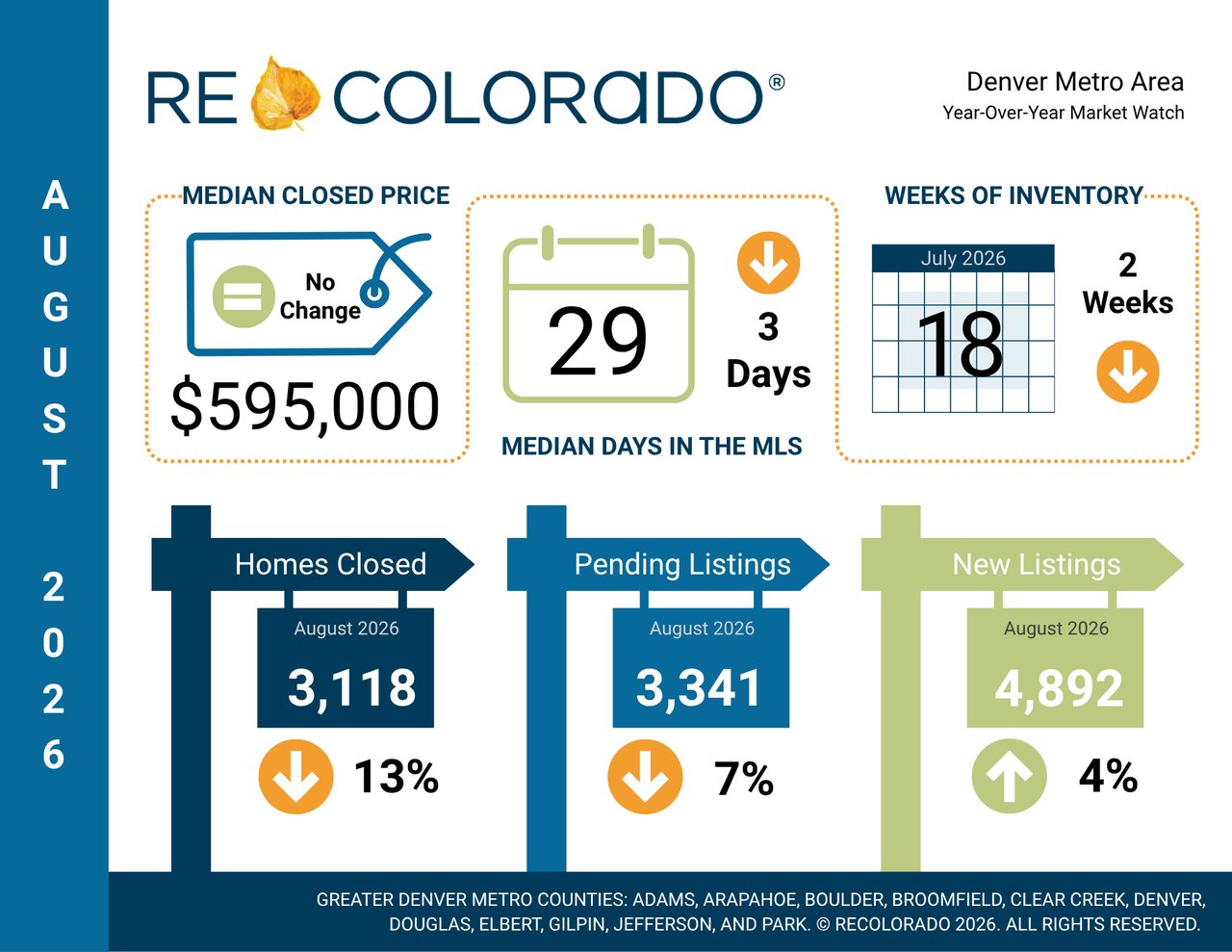
- To research active Parker listings and market snapshots, use REcolorado, the local MLS.
- For national housing insights and trends, explore the National Association of REALTORS research.
Get local help from a hands-on team
Appraisal gaps are manageable when you plan for them. With the right strategy, you can write a competitive offer, protect your budget, and keep your Parker purchase on track. If you want a local, owner-led brokerage that knows Douglas County contracts, lenders, and timelines, connect with Colorado Dream Properties to map out your approach.
FAQs
What is an appraisal gap in a Parker home purchase
- It is the difference when your contract price is higher than the appraised value the lender uses, which can reduce your loan amount and increase cash to close.
How do lenders treat a low appraisal in Colorado
- Lenders base the loan on the appraised value, not the contract price, so you may need to bring additional cash or renegotiate with the seller.
Are tax assessments in Douglas County the same as appraisals
- No. Assessed values from the Douglas County Assessor are for property taxes and are separate from mortgage appraisals used for underwriting.
Can I waive the appraisal contingency and still get a loan
- Yes, but waiving the contingency does not change the lender’s rules. The lender still relies on the appraised value to set the loan amount.
What if I am using FHA or VA financing in Parker
- FHA and VA appraisals may include condition requirements. Review program guidance from HUD or the VA and plan for any repair requests.
Can an escalation clause increase my appraisal risk
- It can. If your price escalates above recent comparable sales, a low appraisal becomes more likely, which may require extra cash or renegotiation.