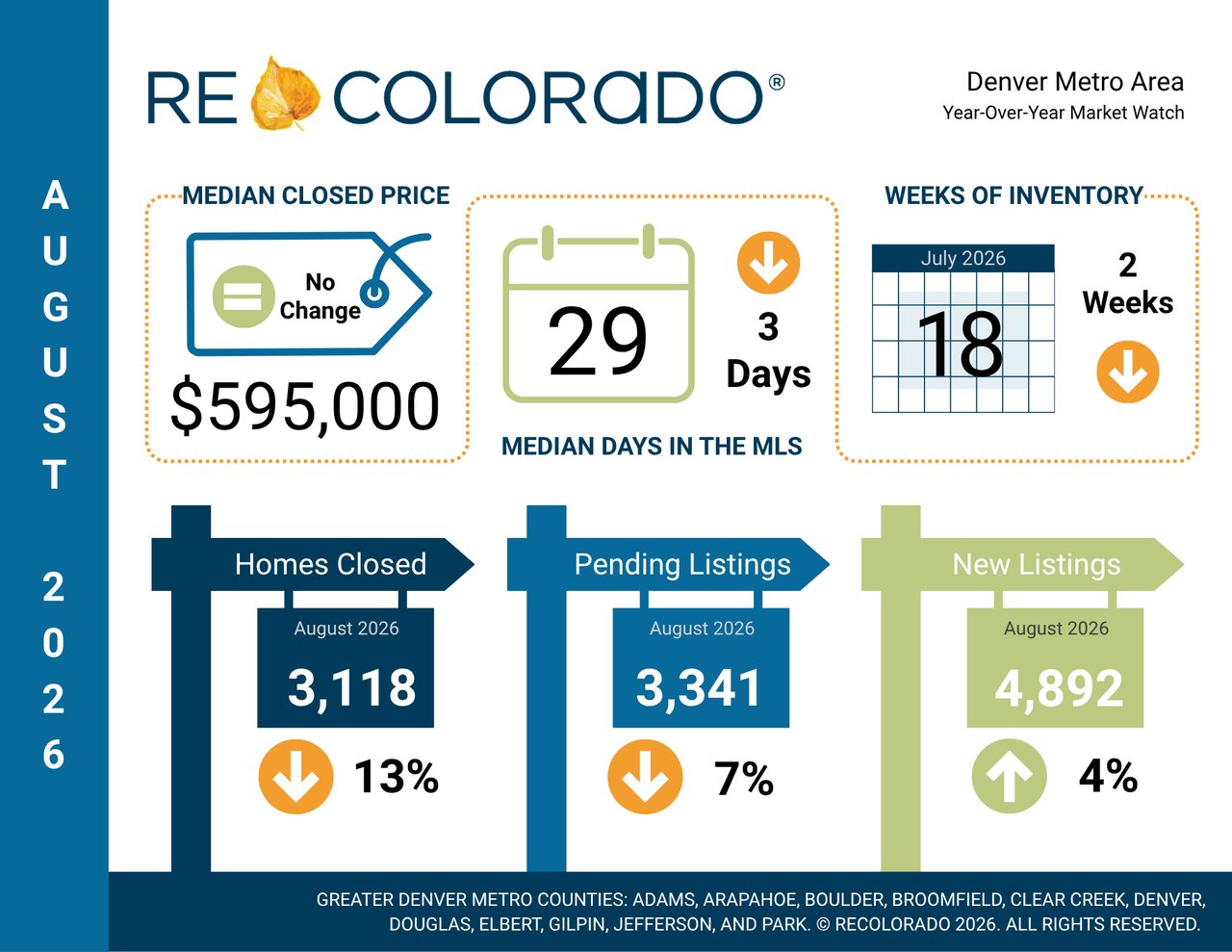
Denver’s 2026 housing headlines paint a picture of a market finding its footing after several turbulent years. Analysts note that Denver’s real estate environment has moved from the “frothy” highs of rapid appreciation into a more balanced phase, with inventory up and prices softening slightly as the market normalizes. Forecasts even suggest flat to mildly negative price movement through 2026, signaling a reset rather than a downturn.
At the same time, renter behavior is shifting in ways that directly impact property management strategy. For the first time in a decade, renter incomes are rising faster than rents, giving tenants more leverage and pushing operators to deliver clearer value. Renters—especially Gen Z—expect transparency, personalization, and seamless technology, and they’re willing to move if a community doesn’t meet those expectations. Amenities that support modern lifestyles, from co‑working spaces to wellness‑focused features, are becoming defining differentiators.
Local 2026 market reports also show a cautiously optimistic tone among Denver agents. While sales remain slow and pricing only edges downward, early‑year activity—particularly in the luxury segment—suggests renewed buyer traffic and faster movement on well‑positioned homes. Inventory continues to climb, giving renters and buyers more options and reinforcing the need for strong marketing, responsive communication, and competitive pricing strategies from property managers.
For Denver landlords and property managers, 2026 is shaping up to be a year where operational excellence matters more than ever. With renters demanding value and the market offering more choices, success hinges on proactive maintenance, transparent communication, tech‑enabled service, and a clear understanding of what today’s residents truly prioritize.