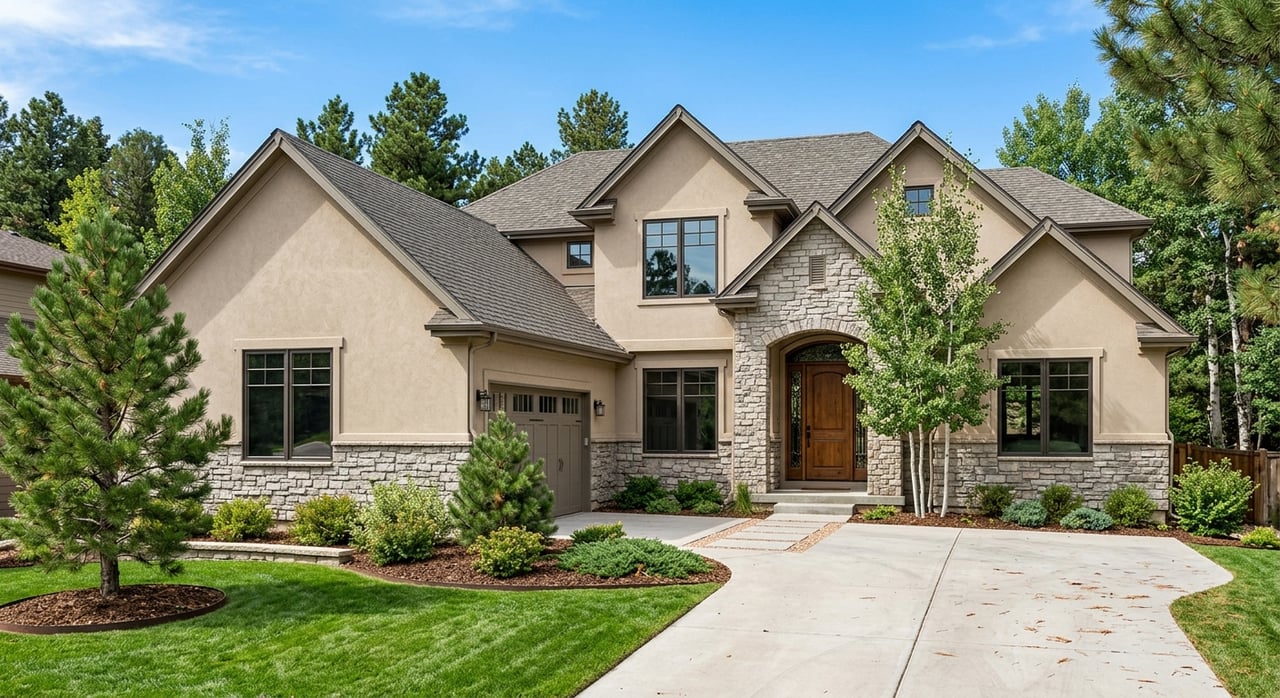
Wondering what everyday life in Castle Pines really feels like? If you are comparing south-metro communities, this small but fast-growing city often stands out for its open space, trail access, polished suburban feel, and strong sense of community. Here’s a practical look at what you can expect from housing, recreation, commuting, and day-to-day living in Castle Pines. Let’s dive in.
Castle Pines at a Glance
Castle Pines is a compact city in Douglas County just south of Denver. It covers 9.59 square miles and has an estimated population of 15,583 as of July 1, 2025.
Even with its growth, resident sentiment is notably strong. In the city’s 2025 community survey, 94% of respondents rated Castle Pines as an excellent or good place to live, 91% said they feel safe with very little crime, 88% said it is an excellent or good place to raise a family, and 85% said they take pride in living there.
That combination gives Castle Pines a clear identity. It feels like a well-kept south-metro suburb with a community-focused atmosphere, but it is still evolving as new housing, commercial areas, and trail connections take shape.
Community Feel in Castle Pines
One of the biggest draws of Castle Pines is that it feels established without feeling overly large. Because the city is relatively compact, many errands, neighborhood trips, and community amenities feel close at hand.
The numbers also suggest a community with many long-term homeowners. About 80.7% of housing units are owner-occupied, the median household income is $191,229, and the median value of owner-occupied homes is $895,500.
For you as a buyer or future resident, that usually translates into a market where homes are often owner-held rather than heavily renter-driven. It also supports the city’s reputation for stable neighborhoods and strong resident pride.
Housing Options and Neighborhood Style
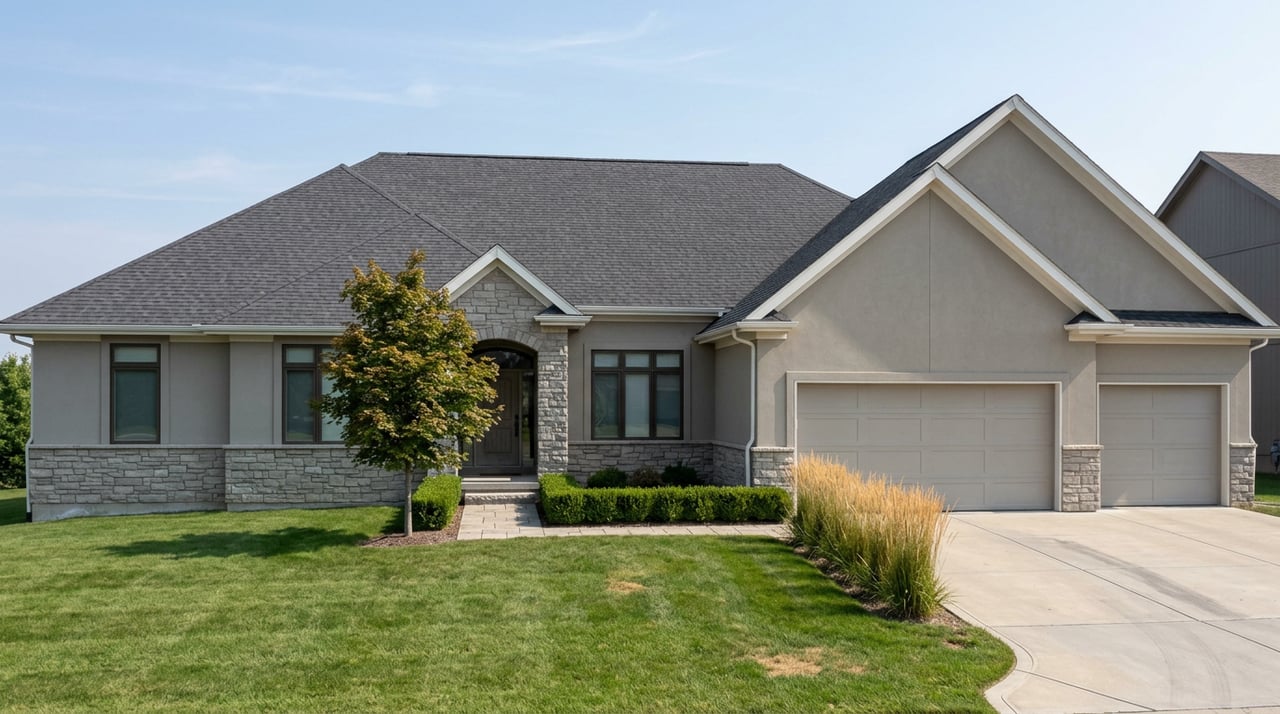
Castle Pines is not a one-size-fits-all suburb. While it is known for detached homes and established neighborhoods, newer development plans show a broader range of housing choices than many people expect.
Single-Family Homes Still Lead
Single-family homes remain a major part of the housing landscape. That fits the city’s ownership-heavy profile and its suburban layout.
If you are shopping for space, garages, and a more traditional neighborhood setting, Castle Pines has a lot of appeal. Many buyers are drawn to the balance of residential comfort and easy access to parks, trails, and regional job centers.
Newer Areas Add More Variety
Planned growth areas are expanding the mix of home types. Castle Pines Town Center is planned for up to 475 single-family residences and 200 multifamily residences, along with parks, open space, trails, schools, civic uses, and retail.
Castle Valley is planned for up to 231 single-family homes and 400 multifamily residences. Its site plan specifically includes townhomes and pedestrian improvements.
That matters if you want more flexibility in your search. Depending on the area, you may find options that better fit first-time buyers, downsizers, or buyers who want lower-maintenance living without leaving Castle Pines.
HOA Life Is Part of the Picture
In Castle Pines, HOA structure is a meaningful part of everyday living. The city provides an HOA lookup and clearly notes that it is not affiliated with homeowner associations.
HOAs often handle neighborhood-level responsibilities. For example, trash pickup is typically managed through the HOA, and privately maintained streets are the responsibility of the local HOA rather than the city.
That means if you are home shopping here, it is smart to look closely at each community’s rules, dues, and maintenance structure. HOA details can directly affect your monthly costs and your day-to-day experience as a homeowner.
Outdoor Living Is a Major Perk
If you want easy access to the outdoors, Castle Pines has a lot going for it. Outdoor amenities are one of the city’s defining features, and residents continue to prioritize them.
The city manages nearly 60 miles of trails, 122 acres of parks, and more than 1,850 acres of open space. In the 2025 survey, parks, trails, and open space remained a top budget priority.
Trails, Parks, and Open Space
Castle Pines makes it easier to build outdoor time into your routine. Whether you like walking, jogging, biking, or simply getting outside after work, the local trail network and open space are central to the lifestyle here.
Residents have also asked for better trail and bike or pedestrian connectivity, especially across I-25. That tells you two things at once: the city already offers strong outdoor access, and local planning is still focused on improving how people move through the community.
Recreation Beyond City Limits
The recreation picture extends beyond city-owned amenities. Residents also have convenient access to Daniels Park along the city’s western boundary.
Rueter-Hess Reservoir adds even more options, including hiking, biking, fishing, kayaking, canoeing, and other reservation-based water recreation. If you enjoy a mix of suburban convenience and outdoor variety, that nearby access is a real advantage.
Golf Is Part of the Local Identity
For many people, golf is another reason Castle Pines stands out. The city highlights The Ridge at Castle Pines North as one of Colorado’s most prestigious and upscale public golf courses.
The course includes four tee sets and is Audubon certified. That gives public-course players a notable local option without needing private club access.
There is also Castle Pines Golf Club nearby, a private Jack Nicklaus-designed club limited to members and their guests. Together, those courses reinforce the area’s reputation for an upscale, recreation-oriented lifestyle.
What the Commute Is Really Like
Castle Pines offers a convenient south-metro location, but it is still very much a driving-first community. If you are considering a move here, that is one of the biggest practical trade-offs to understand.
The city’s Transportation Master Plan says 64% of residents commute outside city limits for work. Common job destinations include Downtown Denver, the Denver Tech Center, the I-25 corridor through Centennial and Lone Tree, and south toward Castle Rock.
Most Daily Life Centers on the Car
About 62% of residents commute by private vehicle, while only 1% use public transportation. The same plan reports that 88% of households have two or more vehicles, and 34% of residents work from home.
That paints a clear picture of daily life. Castle Pines works well if you are comfortable driving for work, errands, and activities, or if you split time between home and an office.
Travel Times Are Manageable
QuickFacts reports a mean commute time of 26.9 minutes. That is not ultra-short, but for many people in the south-metro Denver area, it is manageable.
The city is also advancing the Happy Canyon Road and I-25 interchange reconstruction to improve traffic operations, connectivity, and regional mobility. Over time, that may help support smoother movement in and around the area.
Growth Brings Opportunity and Trade-Offs
Like many desirable suburbs, Castle Pines is balancing growth with quality of life. That is a major theme in the city’s planning documents and community feedback.
Residents have voiced concern about adding too much residential development without enough commercial support. There is also concern about protecting open space and preserving the small-town feel that many people value.
At the same time, the city’s plans point to thoughtful long-term improvements. These include new trail connections under I-25, trail gap connections, and pre-planning for future regional transit opportunities.
For you, that means Castle Pines is not standing still. It is a place where growth is happening, but where outdoor access, neighborhood character, and connectivity remain central to the conversation.
Is Castle Pines a Good Fit for You?
Castle Pines may be a strong fit if you want a suburban setting with high resident satisfaction, a strong ownership base, and easy access to trails, parks, and open space. It can also appeal if you are comfortable with HOA-governed neighborhoods and a lifestyle that centers on driving.
You may especially appreciate Castle Pines if you want:
- A south-metro location with access to Denver, DTC, Lone Tree, Castle Rock, and Centennial
- A community where parks, trails, and open space are a major part of everyday life
- A primarily owner-occupied housing market
- A mix of established neighborhoods and newer planned housing options
- Access to both public and private golf amenities nearby
Castle Pines may be less ideal if you want a highly walkable, transit-oriented lifestyle or if you prefer neighborhoods without HOA involvement. Those factors are important to weigh before you make a move.
Final Thoughts on Living in Castle Pines
Castle Pines offers a polished suburban lifestyle with strong outdoor amenities, community pride, and housing options that are gradually expanding. It feels especially well-suited for people who want space, recreation, and a south-metro location with manageable regional access.
Like any city, it comes with trade-offs. The car-centric setup and HOA presence are important parts of daily life, but for many buyers, those are balanced by open space, neighborhood upkeep, and a strong overall quality-of-life reputation.
If you are thinking about buying, selling, or exploring homes in Castle Pines, Colorado Dream Properties can help you understand the local market and find the right fit for your goals.
FAQs
What is daily life like in Castle Pines, Colorado?
- Daily life in Castle Pines generally centers on suburban neighborhoods, outdoor recreation, and driving to work or errands. Residents report high satisfaction with the community, and the city is known for trails, parks, open space, and a strong sense of pride.
What types of homes are available in Castle Pines?
- Castle Pines includes many single-family homes, and planned growth areas add more multifamily and townhome options. Newer developments such as Castle Pines Town Center and Castle Valley are expected to expand housing variety.
Are HOAs common in Castle Pines neighborhoods?
- Yes, HOAs are a significant part of many Castle Pines neighborhoods. They often handle services such as trash pickup, and some privately maintained streets are also managed through the HOA.
How is the commute from Castle Pines to Denver-area job centers?
- Many residents commute outside the city, often to Downtown Denver, the Denver Tech Center, Centennial, Lone Tree, or Castle Rock. The mean commute time is 26.9 minutes, and most residents commute by private vehicle.
What outdoor amenities are available in Castle Pines?
- Castle Pines has nearly 60 miles of trails, 122 acres of parks, and more than 1,850 acres of open space. Residents also have access to nearby recreation at Daniels Park and Rueter-Hess Reservoir.
Is Castle Pines good for golf and outdoor recreation?
- Castle Pines is well known for both. The area includes The Ridge at Castle Pines North, a public golf course, plus nearby access to trails, open space, hiking, biking, fishing, and water recreation.
Is Castle Pines still growing?
- Yes, Castle Pines is a fast-growing city. Current plans include new housing areas, trail connections, pedestrian improvements, and transportation projects aimed at improving connectivity and mobility.