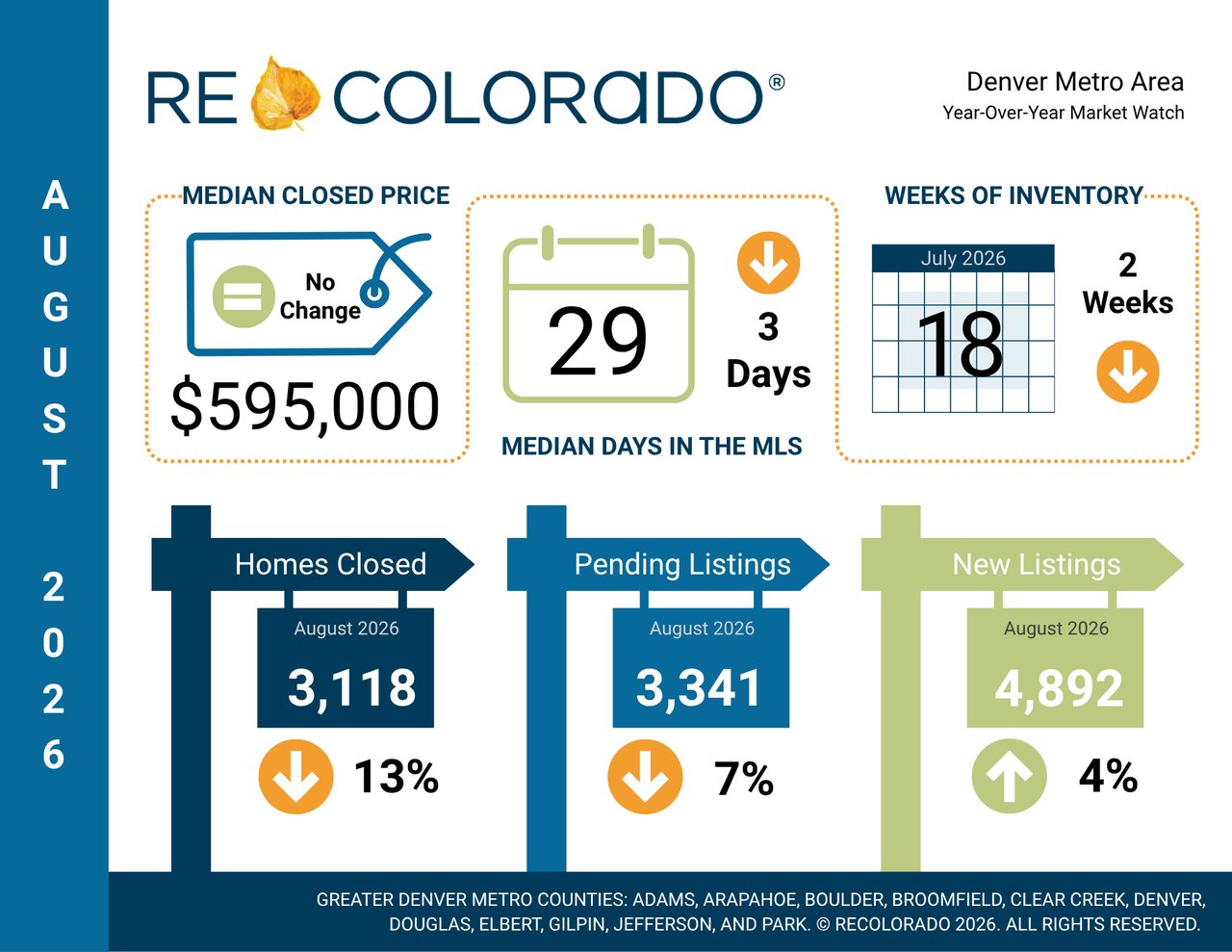
Thinking about buying or selling in Castle Rock and not sure what the numbers really mean? You are not alone. Local market terms like inventory, months of supply, and days on market can feel abstract when you are trying to time a move or set a price. In this guide, you will learn how to read the Castle Rock housing trends that matter, how seasonality affects your strategy, and where to find up-to-date local data. Let’s dive in.
What drives Castle Rock supply
Castle Rock’s housing supply comes from three main sources: resale listings, new construction, and investor or relocation activity. Resale turnover often depends on mortgage rates, job changes, and household moves within Douglas County. New-home deliveries from master-planned communities can add meaningful inventory in a single quarter. Investor activity exists, but it is not the primary driver like it is in some resort areas.
The mix of these sources shifts through the year. Spring usually brings the largest wave of new listings, while builder deliveries follow construction schedules. When multiple neighborhoods deliver new homes at the same time, you can see a noticeable bump in townwide active listings even if resale supply is tight.
The key metrics to watch
Inventory and new listings
Inventory is the count of active homes for sale at a point in time. New listings tell you how much fresh supply is hitting the market. Track both month to month and compared with the same month last year. A rising count of new listings without a matching rise in buyers can increase inventory and change negotiation power.
Months of inventory explained
Months of inventory, also called absorption, is your best indicator of market balance. It is calculated as Active Listings divided by Average Monthly Closed Sales. Common interpretation thresholds are simple:
- Less than 3 months: seller’s market
- 3 to 6 months: balanced market
- More than 6 months: buyer’s market
Use months of inventory as your first read on who has the advantage, then confirm with days on market and the list-to-sale price ratio.
Days on market signals
Days on market, often shown as the median, measures how quickly homes go under contract. Short median DOM suggests strong demand and competitive conditions. Longer DOM points to more time for showings and more room to negotiate. Pricing strategy matters here. Overpriced homes linger, while well-priced homes move faster.
List-to-sale price ratio
This ratio is the final sale price divided by the last list price. Above 100 percent usually means multiple offers or buyers bidding over list. Around 100 percent means pricing is aligned with the market. Below 100 percent suggests price reductions or negotiation. You can also look at the share of homes that close above list to understand how widespread competition is across segments.
Seasonality in Castle Rock
Spring selection and pricing
Castle Rock follows a familiar Front Range pattern. Listings ramp from late winter and often peak in April through June. That is the widest selection for buyers. Sellers tend to see more traffic and, in many years, tighter list-to-sale ratios during this window. Families aiming for summer moves often prefer spring contracts to be settled before the school year starts.
Fall and winter leverage
Activity typically slows in late fall and winter. Buyers who are active then may face fewer competing offers and can find motivated sellers. Inventory is usually lighter, so the selection trade-off is real. If you are flexible, you can sometimes negotiate better terms in these off-peak months.
Segment differences
Entry-level homes can move quickly in spring if supply is tight. Higher-priced or acreage properties often take longer to market and can be more sensitive to broader economic shifts. New construction cycles are less seasonal because builder deliveries depend on completion schedules rather than the calendar.
How mortgage rates shape tempo
Mortgage rates affect affordability and buyer urgency. When rates jump quickly, you often see demand cool, days on market rise, and list-to-sale ratios ease. When rates stabilize, some buyers re-enter and competition can return, first in more affordable segments. If you are shopping, run updated affordability numbers before you tour so you can act quickly when the right home appears. If you are selling, price according to current rate conditions and nearby closed sales.
Where to get current Castle Rock data
Local data is best. The most accurate counts of active listings, new listings, pendings, closed sales, days on market, and list-to-sale ratios come from the local MLS. Work with an agent who can provide real-time reports from REColorado. For new-supply signals, check the Town of Castle Rock’s Planning and Building resources for permits and project approvals, and review countywide permitting through Douglas County.
For broader context and monthly commentary, the Colorado Association of REALTORS shares state and county trends. You can also reference demographics from the U.S. Census Bureau and employment data from the Bureau of Labor Statistics. For methodology and market definitions, the National Association of REALTORS is a useful reference.
Buyer playbook
- Get pre-approved and price-check your target neighborhoods before spring to move quickly when listings peak.
- Track months of inventory and median DOM in your price band. If MOI is low and DOM is short, prepare for faster offer timelines.
- If you want selection, shop actively from April to June. If you want leverage, consider late fall through winter.
- Compare new construction against resale. Builders may offer incentives or rate buydowns, while resale homes may offer established neighborhoods or larger lots.
- Use a local MLS search and alerts so you see new listings the day they hit the market.
Seller playbook
- Time your listing for spring if you want the widest audience. If you need to sell off-peak, price to stand out and consider quick-prep staging.
- Anchor your pricing in recent closed sales for similar homes within about a two-mile radius. Watch list-to-sale ratios to set negotiation expectations.
- Monitor MOI and DOM the month before you list. If MOI is rising, consider a sharper list price or stronger presentation.
- Highlight updates that help compete with nearby new construction, such as modern finishes or energy-efficiency improvements.
- Keep days on market low with strong photos, clean presentation, and fast responses to showing requests.
New construction’s role
New-home deliveries can add a surge of supply in certain quarters. That can relieve pressure on some price points and offer more choices for buyers. For sellers, this can create competition if your home is similar in age and size to new builds nearby. Pricing and presentation become even more important in those periods.
If you want to gauge future supply, follow building permits and approvals. The town and county permit data often lead actual closings by six to twenty-four months. Reviewing those trends helps you anticipate when inventory may rise.
A simple monthly checklist
- Review active listings and new listings in your price band in Castle Rock.
- Check months of inventory and median days on market. Use a 3-month average to smooth noise.
- Look at list-to-sale ratios and the share of sales over list.
- Compare new listings to builder closings and incentives in nearby communities.
- Note any permitting spikes or large project approvals from town or county sources.
How we can help
You do not need to decode the numbers alone. As a boutique, owner-led firm based in Douglas County, we combine MLS-backed brokerage with in-house property management. That means you get local, real-time market intelligence for buying or selling, plus ongoing support if you decide to lease your property. If you want a clear plan tailored to your goals, we can provide current MLS trend reports, a pricing strategy, and an action timeline that fits your schedule.
Ready to make data work for your move in Castle Rock? Connect with Colorado Dream Properties to request a free home valuation or property management quote.
FAQs
When is the best month to list in Castle Rock?
- Spring, especially April through June, typically brings the most buyers and stronger list-to-sale ratios, though competition from other listings is higher.
How do I know if it is a buyer’s or seller’s market?
- Check months of inventory. Under 3 months favors sellers, 3 to 6 is balanced, and over 6 favors buyers. Confirm with median DOM and list-to-sale ratios.
Should I wait for mortgage rates to drop before buying?
- Rate timing is uncertain. If your budget, time horizon, and local competition align today, waiting could reduce options. Run affordability math at current rates and compare against renting.
How much negotiation room should I expect as a seller?
- It depends on your segment. In low MOI, low DOM areas, expect near-list or over-list offers. In softer segments, plan for negotiation and price adjustments.
How does new construction affect Castle Rock resale prices?
- New-home deliveries increase choice and can add short-term inventory pressure. Resale homes may need updates or pricing adjustments to compete when builders have active releases.